École Polytechnique Fédérale de Lausanne
Lausanne, Switzerland · Suburban
Ranked #22 globally by QS and #20 by Times Higher Education, EPFL sits on a lakeside campus in Lausanne, Switzerland. With 55% of its 13,000 students coming from abroad, it is one of Europe's most internationally diverse research universities. Engineering, computer science, robotics, and life-sciences programmes rank among Europe's finest. Tuition is remarkably low by global standards — but admission and academic demands are genuinely rigorous. This guide explains exactly what international students need to know before, during, and after applying.
Campus
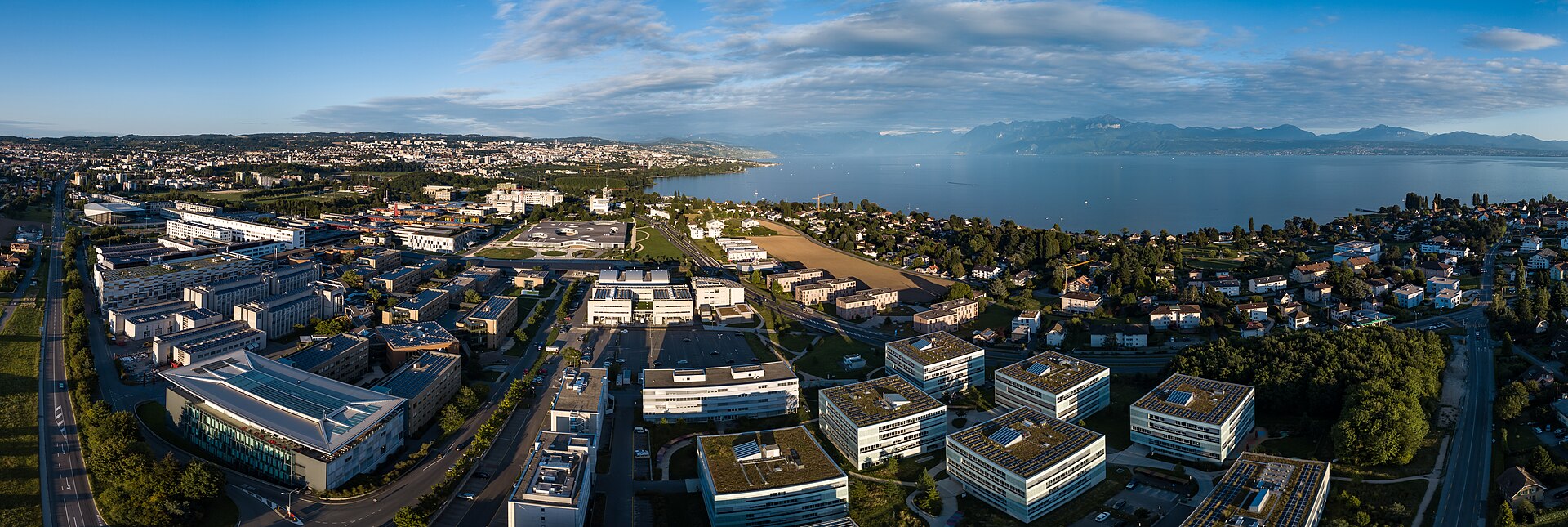
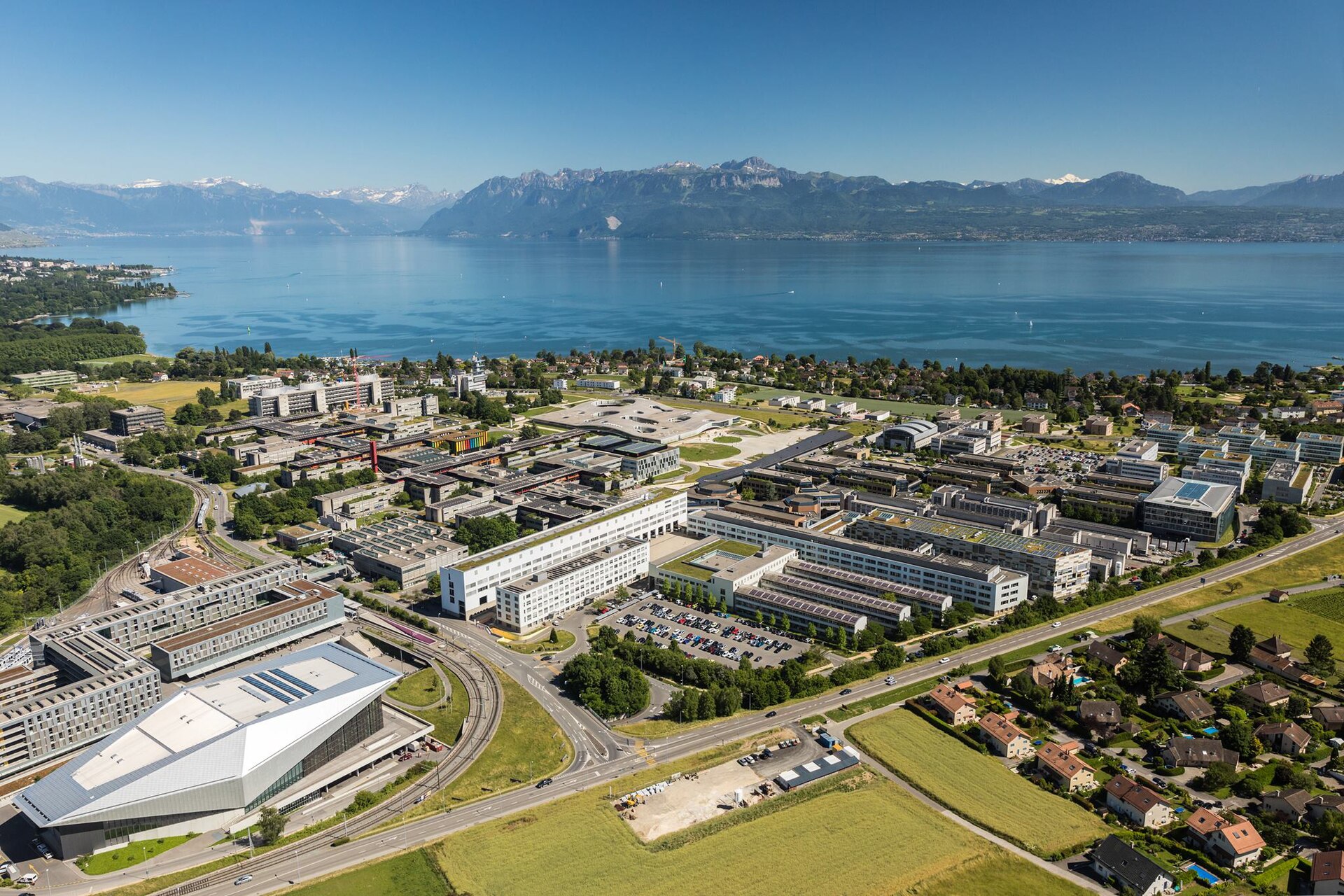
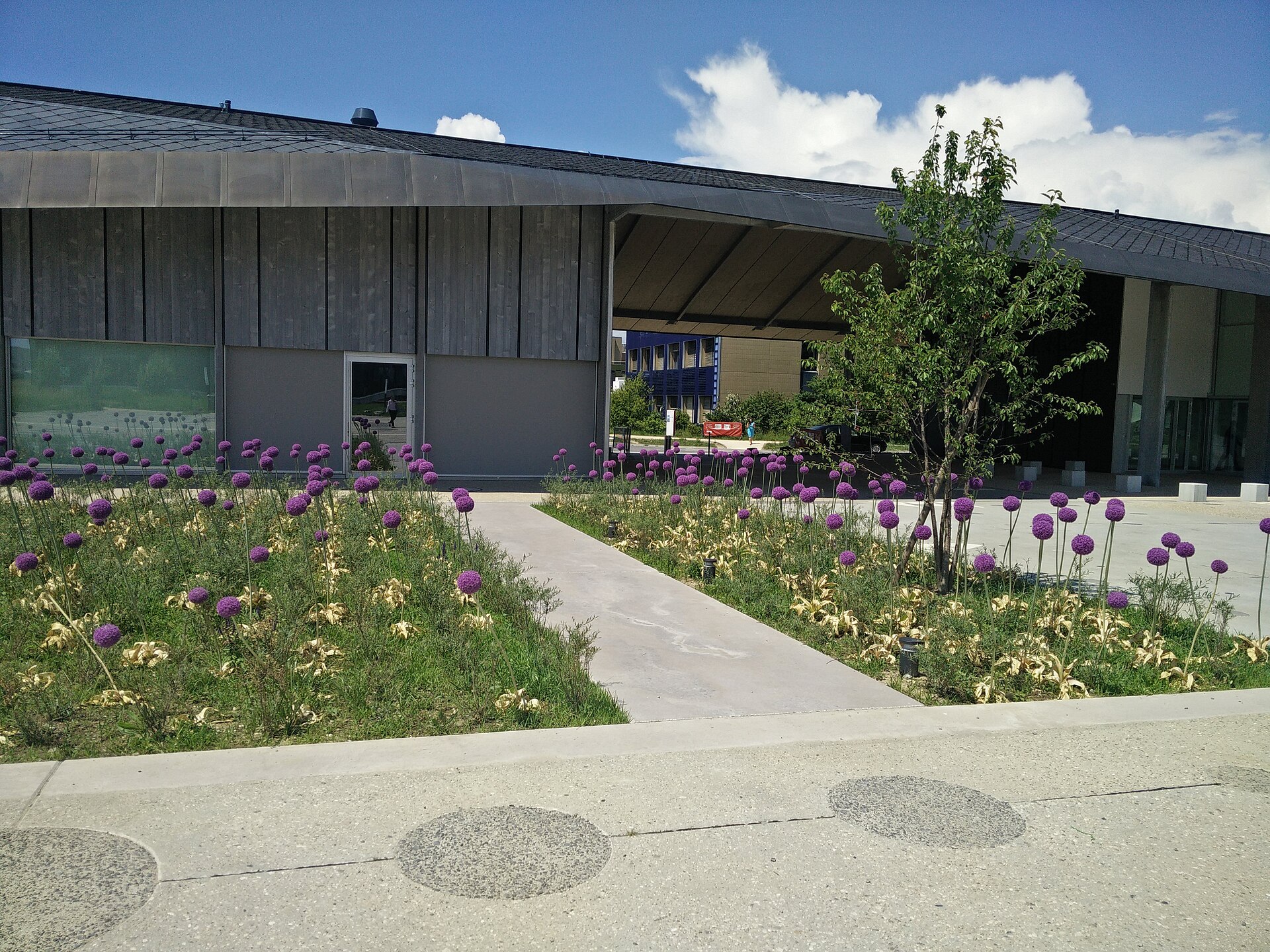
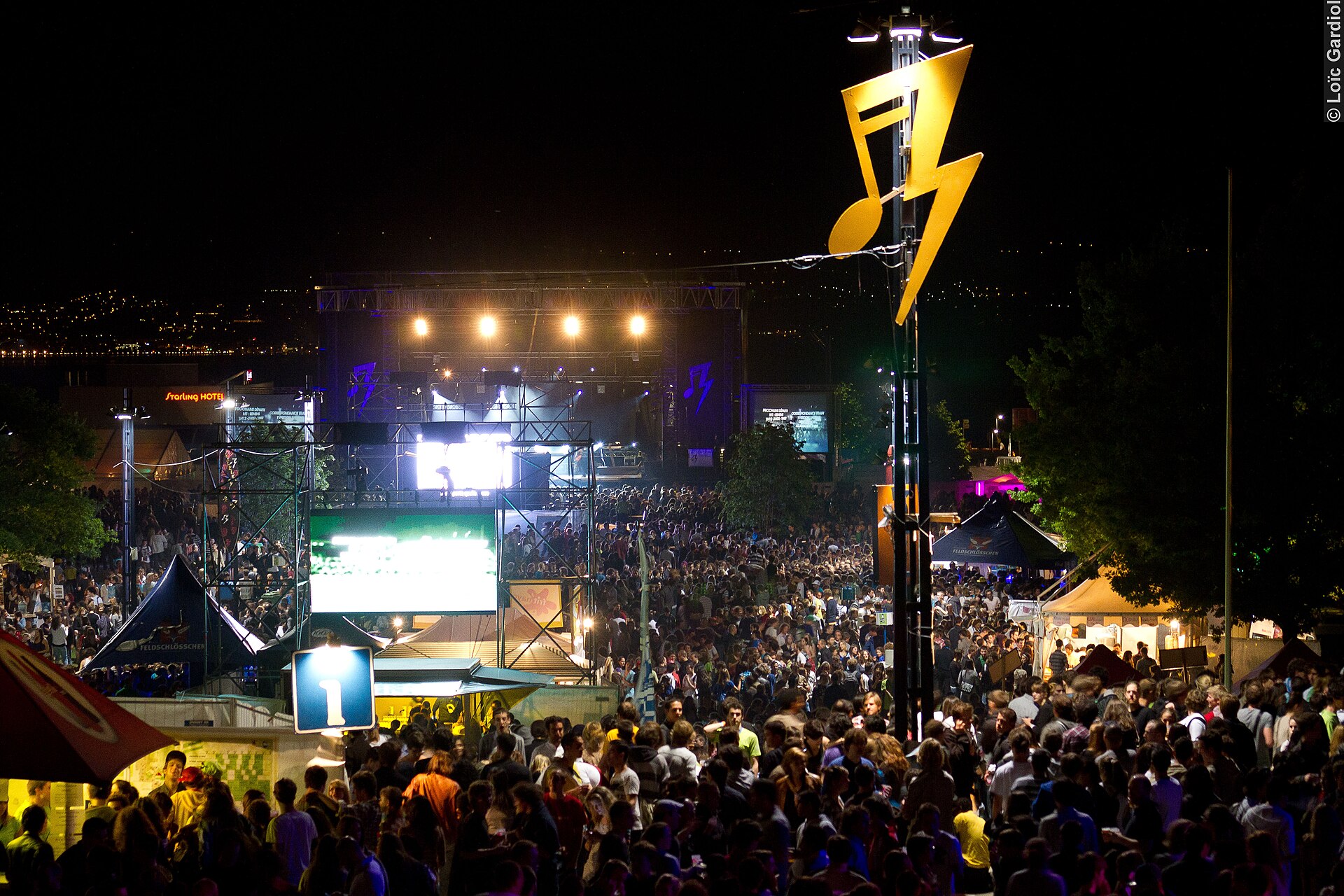
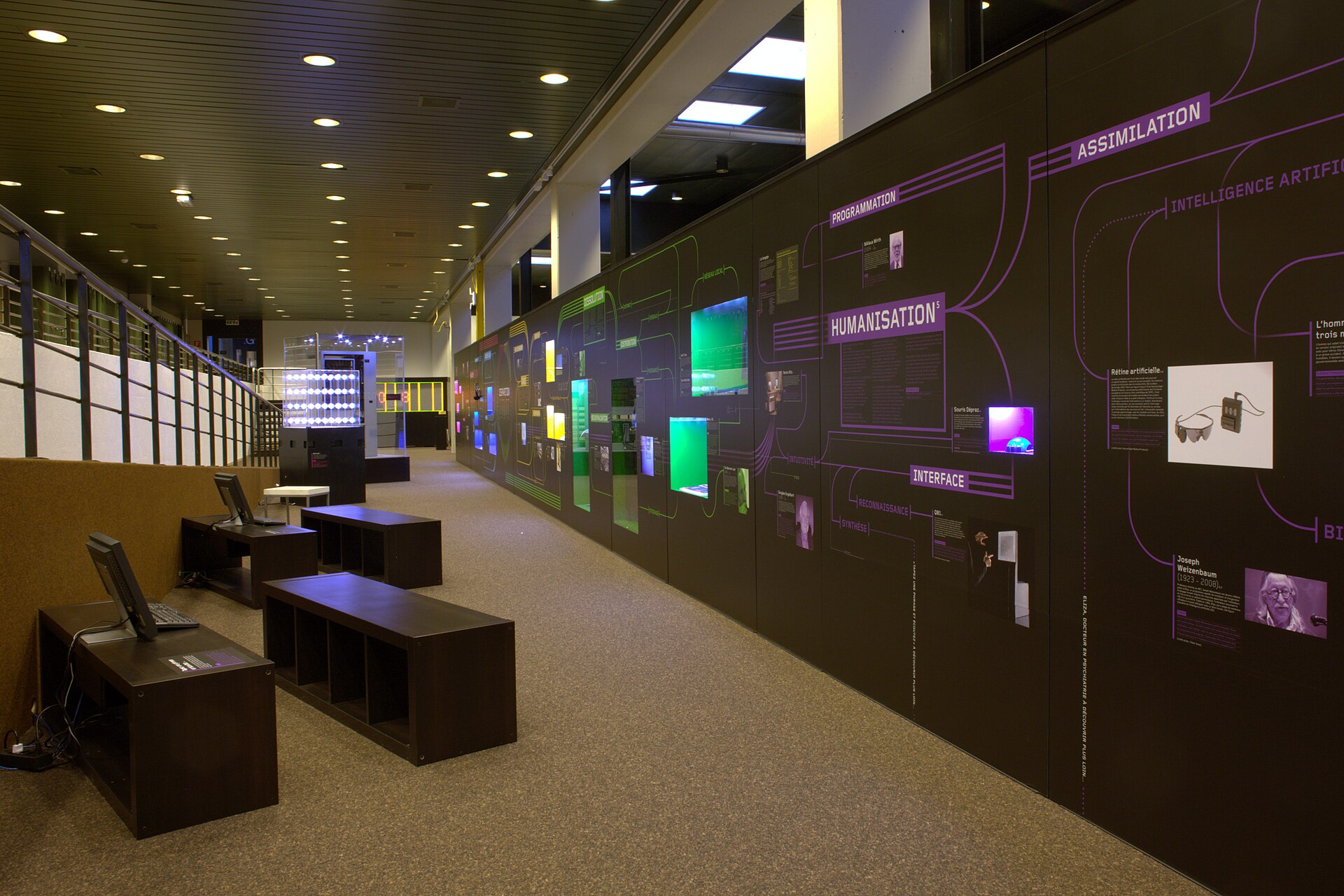
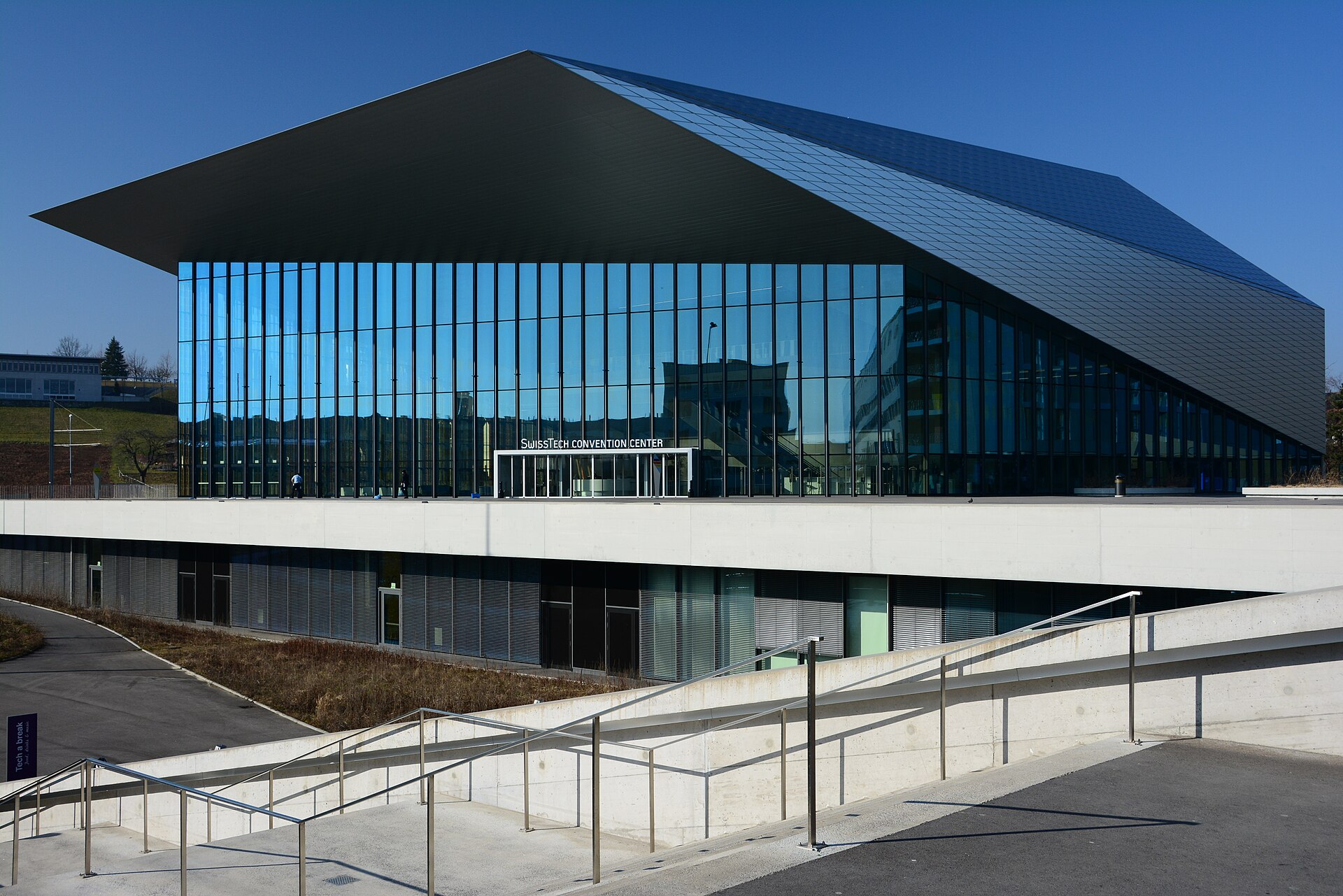
École Polytechnique Fédérale de Lausanne — campus in pictures
Real, freely-licensed photographs of the campus (via Wikimedia Commons).
Why EPFL — Research Prestige, Affordability & Career Outcomes
EPFL is not simply a prestigious European university. It is a research engine that punches well above its size in global rankings and real-world impact, set in a multilingual country that sits at the heart of European innovation. For ambitious STEM-focused international students, it represents one of the highest-value propositions in global higher education.
EPFL Acceptance Rate & Admitted Student Profile
Stats
Profile Stats
Rea Vs Rd
EPFL Admissions Requirements — Qualifications, Language & Academic Profile
- IB: 38 points minimum, HL Mathematics grade 5+
- A-Level: A*A*A in relevant subjects
- German Abitur and French Baccalauréat: top-grade profiles
- Swiss Matura: direct entry without exam
- Bachelor: French B2 minimum (DELF, DALF, TCF, TEF)
- Master (English-taught): IELTS 7.0 or TOEFL iBT 100
- Exemption: fully French- or English-medium prior schooling
- No SAT, ACT, or GRE required or considered
- Strong mathematics and physics grades are the primary signal
- GPA benchmark equivalent: 3.5 or above on a 4.0 scale
- Consistent high performance across final 2–3 years
- No interviews, no extracurriculars considered at Bachelor level
EPFL Application Components — IS-Academia Portal, Documents & Requirements
EPFL uses its own IS-Academia online portal — there is no Common App, UCAS, or coalition platform. All documents are uploaded directly. The process is streamlined but unforgiving: missing documents or late submissions are not accommodated. Apply early.
EPFL Written Application — Motivation Letter Strategy for Master Applicants
Tips
Prompts
What EPFL Admissions Is Looking For
EPFL's evaluation process is substantially different from holistic US admissions. At Bachelor level, it is a grades-and-qualifications review — no essays, no interviews, no extracurricular consideration. At Master level, the academic transcript, research experience, and motivation letter are the key inputs. Understanding this clearly is the foundation of any EPFL strategy.
EPFL Financial Aid & Scholarships for International Students
EPFL's approach to financial aid differs fundamentally from US universities. Rather than need-blind admissions and large grant packages, Switzerland keeps base tuition low for all students — international student tuition is approximately USD 5,475/year. Merit-based Excellence Fellowships target the top 5% of incoming Master applicants. Additional need-based support exists but is limited in scope. International students should plan financing as primarily their own responsibility.
Tuition and cost figures are sourced from EPFL's published data. Aid availability and scholarship amounts may change — confirm current figures at epfl.ch before applying.
Stats
Contribution Tiers
| Note | Range | Percent | Percent Value |
|---|---|---|---|
| Excellence Fellowship: CHF 14,000–32,000/year for top 5% of Master applicants | Top 5% academically | 5% | 5 |
| Swiss Government Excellence Scholarships via home-country embassy | PhD + select Master levels | Variable | 15 |
| Home-country national scholarships (Chevening, DAAD, MEXT, etc.) | All eligible students | Varies | 30 |
| EPFL Social Scholarship (hardship support post-enrolment) | Enrolled students in difficulty | Emergency | 10 |
Key Dates
Advantages
- Single intake — one chance per year, no rolling admissions
- All applicants assessed on the same timeline — no strategic early-round advantage
- Autumn-intake Master deadline (15 Dec) allows time for final undergraduate results
- Excellence Fellowship assessed concurrently — no separate application needed
- Bachelor deadlines (30 April) give time to finalise language certification
Disadvantages
- No early decision advantage — the single round means no timing strategy
- Late discovery of Category B/C status (entrance exam required) can disrupt planning
- Master spring intakes exist but are programme-specific — verify before planning
- Missing the deadline means waiting a full year — no exceptions
EPFL Interviews — What to Expect (And What Replaces Them)
EPFL does not conduct interviews for Bachelor or most Master programmes. Your written application — qualification category, language certificate, and (at Master level) motivation letter and references — is your complete submission. There is no interview to prepare for in the standard process. The exception is PhD admissions, where contacting a potential supervisor directly is expected and early informal conversations are common. For one or two specialised Master programmes, shortlisted candidates may be contacted for interviews — check your specific programme page.
Meta
Questions
EPFL Housing & Residential Life in Lausanne
EPFL does not operate a Harvard-style residential house system with faculty associates and formal house cultures. Housing is primarily managed through FMEL (Fondation des Maisons pour Etudiants de Lausanne), a student housing association that provides affordable on-campus and nearby accommodation. The FMEL waitlist is 6–18 months — apply the moment you receive any indication of acceptance.
Houses
Lottery Steps
- Apply to FMEL immediately upon receiving your EPFL acceptance (logement.epfl.ch) — the longer you wait, the longer the wait
- FMEL offers studio rooms from approximately CHF 500–850/month, far below Lausanne market rates
- Private accommodation in Lausanne typically costs CHF 900–1,400/month for a studio
- The campus is served by the M1 metro line — commuting from central Lausanne or nearby Renens is practical and affordable
- Apply simultaneously to FMEL and private options — do not wait for FMEL confirmation before exploring alternatives
EPFL Schools & Programmes
- {"label":"Key Bachelor programmes","value":"Microengineering, Electrical & Electronic Engineering, Mechanical Engineering"}
- {"label":"Research focus","value":"Microsystems, robotics, energy"}
- {"label":"Language of instruction","value":"French (Bachelor) / English (Master)"}
- {"label":"Industry partners","value":"ABB, Nestlé, Omega, Logitech"}
- {"label":"Key programmes","value":"Computer Science, Communication Systems, Data Science"}
- {"label":"Research centres","value":"DLAB, MLO, LSIR, NLP labs"}
- {"label":"Master language","value":"English"}
- {"label":"Industry partners","value":"Google, Microsoft, Meta, Oracle"}
- {"label":"Key programmes","value":"Life Sciences Engineering, Bioengineering"}
- {"label":"Linked institutes","value":"Swiss Institute of Bioinformatics, Blue Brain Project"}
- {"label":"Master language","value":"English"}
- {"label":"Key employers","value":"Roche, Novartis, Lonza, CERN"}
- {"label":"Key programmes","value":"Mathematics, Physics, Chemistry"}
- {"label":"Research institutes","value":"CQSL, FSB, ICMP"}
- {"label":"Bachelor language","value":"French"}
- {"label":"PhD placement","value":"High — MIT, ETH Zurich, CERN"}
- {"label":"Key programmes","value":"Architecture, Civil Engineering, Environmental Sciences"}
- {"label":"Studio-based","value":"Architecture only (design-studio model)"}
- {"label":"Languages","value":"French (Bachelor) / English+French (Master)"}
- {"label":"Employer partners","value":"BIG, Arup, Swiss federal infrastructure"}
- {"label":"Key programmes","value":"Management of Technology, Financial Engineering, Energy Management"}
- {"label":"Unique feature","value":"Technical + business curriculum"}
- {"label":"Language","value":"English (Master)"}
- {"label":"Career paths","value":"Quantitative finance, tech management, consultancy"}
Research & Extracurricular Opportunities at EPFL
Career Outcomes & EPFL Alumni Network
EPFL graduates benefit from both the institution's global prestige (QS #22, THE #20) and Switzerland's unique position as a hub for technology, pharmaceuticals, precision engineering, and finance. 92% of graduates are employed within six months, with an average starting salary of approximately USD 85,000. An EPFL degree is globally recognised, and graduates regularly transition to PhD programmes at MIT, Stanford, and ETH Zurich, or to international roles across North America, Asia, and the Middle East.
Stats
Categories
Tychr's EPFL Admissions Track Record
Faqs
Can I apply to EPFL if my secondary school was in English?+
Yes — but remember that all Bachelor programmes are taught in French. You will need a French B2 language certificate regardless of where you studied. Your English-medium schooling helps for Master applications, where IELTS 7.0 or TOEFL iBT 100 is required and most programmes are taught in English.
What IB score do I need for direct Bachelor admission?+
EPFL requires a minimum of 38 IB Diploma points, with Higher Level Mathematics at grade 5 or above, for direct Category A Bachelor admission. Students below this threshold may still be eligible via the entrance examination, though the pass rate is approximately 40–50%.
Does EPFL consider SAT or ACT scores?+
No. EPFL does not use SAT or ACT scores in admissions decisions at any level. Secondary school grades and recognised qualification frameworks are what matter.
How competitive are EPFL Master's admissions?+
Very competitive in the most popular programmes. Computer Science, Data Science, and Robotics receive large global applicant pools. A high undergraduate GPA from a recognised institution, research experience, and a specific, compelling motivation letter are all expected of successful applicants. There is no published acceptance rate for Master programmes.
Does EPFL offer need-based financial aid to international students?+
EPFL's main merit scholarship (Excellence Fellowship) is open to all nationalities for Master applicants. Need-based support (Social Scholarship, Hans Wilsdorf Foundation) is available after enrolment but is limited in scope. International students should plan financing independently and treat scholarships as a competitive supplement, not a guarantee.
Is EPFL better for Bachelor or Master?+
Both levels are excellent, but the experience differs significantly. The Bachelor is entirely in French, intensely mathematical, and has a notoriously demanding first year (propédeutique). The Master's level is predominantly in English, more research-oriented, and the most straightforward entry point for strong international students from English-medium undergraduate programmes.
Can I work part-time in Switzerland as an international student?+
Non-EU/EFTA students may work up to 15 hours per week once enrolled (subject to canton regulations). However, Swiss labour regulations are strict, job availability for non-French/German speakers is limited, and EPFL's academic workload is demanding enough that relying heavily on part-time work is not advised.
How hard is it to get student housing?+
Very difficult. EPFL's own housing (via FMEL) has waiting lists of 6–18 months. Apply immediately upon receiving your acceptance letter. Private accommodation in Lausanne is expensive — budget CHF 800–1,400/month for a studio or shared room. On-campus FMEL housing (CHF 500–850/month) is significantly cheaper if you secure a place.
Book a Free EPFL Admissions Strategy Session
In 60 minutes our EPFL admissions specialists will evaluate your academic profile against EPFL's qualification categories, identify your diploma pathway (direct entry, entrance exam, or preparatory year), develop your Master motivation letter strategy, and map out a year-by-year language and academic preparation plan.
- No commitment required
- EPFL and European university specialists
- Personalised strategy — not generic advice
EPFL Academic Requirements
EPFL Academic Requirements — The Honest Breakdown for International Students
What qualification, grade profile, and language level do you need to succeed at EPFL? And what does the propédeutique year mean for students from IB, A-Level, and other international curricula?
GPA & Academic Grades
EPFL and Academic Grades — What the Data Shows
EPFL does not publish a minimum GPA in the US sense. The institution evaluates academic performance through the lens of recognised secondary school qualifications and their equivalence frameworks. In practical terms, the competitive floor for international applicants is approximately 3.5 on a 4.0 GPA scale — but the actual signal EPFL reads is your performance in mathematics, physics, and chemistry at the most rigorous level available in your curriculum.
A strong GPA in the wrong subjects is insufficient. EPFL's first year assumes a high level of preparation specifically in mathematics and physics. Students with strong grades only in humanities or social sciences will find the propédeutique exceptionally challenging.
Academic Context
How EPFL Reads International Academic Records — The Recognition Framework
EPFL evaluates international qualifications through a formal framework called Reconnaissance des titres (recognition of qualifications), maintained in collaboration with swissuniversities.ch. Every national secondary diploma has a classification that determines the admission pathway.
SAT at EPFL
SAT Scores at EPFL — Not Required, Not Considered
EPFL does not consider SAT scores in any admissions decision. Neither the SAT nor the ACT is part of the Swiss university admissions framework. This section explains how US-curriculum students (AP + SAT) are evaluated at EPFL.
| Label | Score | Percent |
|---|---|---|
| SAT required | No | 0 |
| SAT considered | No | 0 |
| SAT used | Never | 0 |
ACT at EPFL
ACT Scores at EPFL — Not Part of the Admissions Process
EPFL does not consider ACT scores. Neither the ACT nor the SAT is part of EPFL's admissions framework at any level.
Metrics
Comparison Cards
Testing Policy
EPFL Testing Policy — No SAT/ACT, Ever
EPFL's 'test policy' is not optional versus required in the US sense — it is simply that EPFL has never used US-style standardised tests. The institution evaluates academic preparation through the lens of recognised national secondary qualifications and their Swiss equivalence category.
Submit Items
Withhold Items
IB & A-Level at EPFL
IB Diploma and A-Levels at EPFL — Specific Benchmarks and Pathways
- {"label":"Direct admission threshold","value":"38 points minimum"}
- {"label":"HL Mathematics requirement","value":"Grade 5 minimum (grade 6 or 7 strongly recommended)"}
- {"label":"Recommended HL combination (STEM)","value":"HL Maths AA + HL Physics or Chemistry + one more HL science or computer science"}
- {"label":"Below threshold option","value":"Entrance exam (Category B route) for IB 34–37"}
- {"label":"Direct admission threshold","value":"A*A*A (Category A)"}
- {"label":"Recommended subjects (STEM)","value":"Mathematics, Further Mathematics, Physics or Chemistry"}
- {"label":"AAA outcome","value":"Likely Category B — entrance exam required"}
- {"label":"GCSE context","value":"Reviewed as supporting evidence of academic preparation"}
AP Courses
AP Courses and EPFL — What Counts for US-Curriculum Applicants
AP courses are evaluated by EPFL as evidence of academic depth within the US curriculum. They are not required, not a substitute for the Swiss qualification equivalence framework, and carry no formal weight in EPFL's admission decision — but they provide contextual evidence of rigour for US-curriculum applicants.
Academic Rigour
Rigour of Secondary School Record — EPFL's Most Important Academic Signal
EPFL's admission process places the strongest weight on the rigour and results of your secondary school education — particularly in mathematics, physics, and chemistry. The institution's first-year curriculum is designed to challenge even highly prepared students.
Taking the most mathematically and scientifically demanding courses available at your specific school, and achieving strong results in them.
Subject Preparation
Mathematics, Physics, and Science Preparation — What EPFL Actually Expects
EPFL's Bachelor first year (propédeutique) is a shared, intensive foundation that all students complete regardless of their chosen programme. It tests mathematics, physics, and chemistry at a level that assumes advanced secondary preparation. Students who arrive underprepared in any of these three subjects face very high failure rates.
Language Requirements
Language Requirements for International EPFL Applicants — French and English
Language requirements at EPFL are strict, mandatory, and non-negotiable. Unlike US universities, where essays serve as a proxy language assessment, EPFL requires formal certification. The specific requirement depends entirely on your programme level.
French B2 for the Bachelor is a minimum, not a target. EPFL's Year 1 courses are delivered in fast-paced academic French by professors who will not simplify their language for non-native speakers. A student who obtained B2 through intensive cramming but lacks genuine fluency will struggle to keep pace from the first week. Aim for C1 if you are targeting the Bachelor.
By Programme
Academic Requirements by EPFL Programme — What Each School Expects
EPFL admits students to specific programmes (not to a broad college with later specialisation). The academic profile should align with the chosen programme's expectations. The table below shows the key academic signals for major EPFL programmes.
| Signals | Expectation | Concentration |
|---|---|---|
| HL Maths AA 6–7, AP Calculus BC 5, USACO / competitive programming | HL Maths AA / Further Maths A*; French B2 (Bachelor) or IELTS 7 (Master) | Computer Science |
| Strong statistics/probability background, ML projects or research | High undergraduate GPA; quantitative undergraduate degree | Data Science (Master) |
| HL Maths AA 7, HL Physics 7, physics olympiad participation | HL Maths + HL Physics; top A-Level profile | Physics |
| HL Maths AA 7, robotics project experience, programming fluency | High GPA; engineering or CS undergraduate | Robotics (Master) |
| HL Chemistry 7, HL Biology or Life Sciences, research internship | Life sciences undergraduate; research experience | Life Sciences Engineering |
| HL Maths AA 7, HL Physics 7, HL Chemistry 7 | Top STEM profile; Swiss Matura / IB 40+ / A*A*A* | Mechanical Engineering |
| Portfolio of design work; spatial reasoning; maths proficiency | Strong maths + design portfolio; French B2 (Bachelor) | Architecture |
| Quantitative finance background; strong probability and stats | Maths or engineering undergraduate; CDM Master | Financial Engineering (Master) |
International Systems
EPFL and International Education Systems — How Your Curriculum Is Evaluated
Year-by-Year Roadmap
Building an EPFL-Ready Academic Profile — What to Do at Each Stage
- Commit to the most rigorous mathematics option available: IB HL Maths AA, A-Level Mathematics + Further Mathematics, or the highest national track.
- Begin French language learning if targeting the Bachelor — 600–800 hours of study are needed to reach B2 as an English speaker.
- Explore computer science and programming fundamentals.
- Look up your national secondary qualification on swissuniversities.ch to determine Category A, B, or C.
- If Category B: build a 6–12 month entrance exam preparation plan starting now.
- If Category C: research the CMS preparatory year and whether your timeline accommodates it.
- Maintain strong performance in mathematics, physics, and chemistry.
- Target HL Maths AA grade 6 or 7, HL Physics 6 or 7, and strong science results.
- Book and sit your French B2 exam (Bachelor) or prepare IELTS/TOEFL (Master pathway).
- Begin exploring specific EPFL programmes and labs you are interested in.
- For Master pathway in future: pursue undergraduate research opportunities.
- Gather certified translations of all diplomas and transcripts.
- Submit via IS-Academia by 30 April (Bachelor) or 15 December prior year (Master).
- Apply for FMEL housing immediately upon any acceptance indication.
- Master applicants: tick Excellence Fellowship box in IS-Academia.
Common Pitfalls
Academic Mistakes That Cost EPFL Applications — And How to Avoid Them
Real Outcomes
What Academic Profiles Tychr's EPFL-Admitted Students Had
The following profiles represent the academic backgrounds of students Tychr has helped gain EPFL admission or EPFL-equivalent Master outcomes. They illustrate what works — and what the common differentiators are.
Faqs
Is IB 38 enough for EPFL?+
A strong IB score is necessary but not sufficient. IB 38 is the minimum for direct admission, but competition is real and the propédeutique is the actual filter. Equally important: HL Maths AA (not AI), strong physics, and genuine French fluency.
Should I take the SAT or ACT for EPFL?+
EPFL does not publish or consider SAT or ACT scores. Take them if required by other universities on your list, but they add no value to your EPFL application.
Can I study at EPFL without speaking French?+
No. EPFL Bachelor programmes are taught entirely in French. French B2 is the minimum — but genuine fluency at C1 level is strongly recommended. If you are not willing to commit to French learning, the Master pathway (primarily English) is the more appropriate route.
What is the propédeutique and how hard is it?+
The propédeutique is the first-year foundational curriculum shared by all Bachelor students. It covers Analysis, Linear Algebra, Physics, and Chemistry at university level. Depending on the year and programme, 35–50% of students fail at their first attempt. It functions as a second admissions filter.
How competitive is the EPFL Master in Computer Science?+
Very competitive. Computer Science, Data Science, and Robotics receive large international applicant pools from strong candidates at top universities globally. A high undergraduate GPA (equivalent to 3.7+ on a 4.0 scale), research experience, and a highly specific motivation letter are expected.
Cost & Financial Aid
EPFL Is Affordable for a Top-25 University — But Switzerland Is Not Cheap
EPFL's tuition is strikingly low for a university ranked #22 globally. But Lausanne's cost of living is genuinely high, and Switzerland does not operate a large-scale need-based aid system. Here is the complete financial picture for international students.
Cost Transparency
What EPFL Actually Costs — The Full Annual Figure
EPFL's tuition (approximately USD 5,475/year for international students) is among the lowest of any top-25 university worldwide. The total cost of attendance is dominated by Lausanne's cost of living — Switzerland's prices are genuinely high. Students who secure FMEL on-campus housing (CHF 500–850/month) reduce their living costs substantially compared to private market rates.
Financial Aid Policy
EPFL Financial Aid for International Students — The Honest Picture
EPFL is not a need-blind university in the US sense. Switzerland's model keeps tuition low for all students rather than providing large need-based grants to selected students. International applicants should plan financing as primarily their own responsibility. EPFL's aid programmes target merit (Excellence Fellowship) or post-enrolment hardship (Social Scholarship), not pre-admission need.
Value Proposition
Why EPFL Represents Strong Financial Value at the Quality Level It Delivers
Financial Aid Process
Securing Funding for EPFL — The Step-by-Step Process
Financial aid at EPFL is not a single application process — it is a multi-source strategy combining home-country scholarships, Swiss government awards, EPFL's own merit fellowship, and housing cost management. Here is the complete process.
- Identify national scholarship programmes available to citizens studying abroad (Chevening for UK, DAAD for Germany, MEXT for Japan, etc.)
- Application windows are often 12–18 months before study start — research in Year 11 or during your penultimate undergraduate year
- Visit sbfi.admin.ch to confirm eligibility by nationality
- Contact your home country's Swiss Embassy for application instructions and local deadline (typically November–January)
- Covers tuition plus approximately CHF 1,920/month living stipend for eligible students
- On the IS-Academia Master application form, tick 'Excellence Fellowship consideration'
- No separate application or additional documents required
- The admissions committee reviews top-ranked applicants automatically
- Submit FMEL housing application at logement.epfl.ch the moment you receive acceptance
- On-campus housing: CHF 500–850/month vs CHF 900–1,400/month private
- Waitlists are 6–18 months — earlier application = better position
- Hans Wilsdorf Foundation (Geneva residents, international students after Year 1)
- Professor Charles Rapin Scholarship (Master students from developing countries)
- Apply via unified EPFL scholarship portal — deadlines 15 July and 15 September each year
International Students Aid
EPFL Financial Aid for International Students — How It Actually Works
EPFL's financial aid landscape for international students differs fundamentally from US universities. Understanding this clearly prevents misaligned expectations.
Aid Landscape
EPFL Financial Support — What Actually Exists and Who Qualifies
EPFL Scholarship and Aid Overview
Award amounts and eligibility are subject to annual change. Confirm current terms directly with EPFL scholarship services and with your home-country Swiss Embassy for government scholarships.
The two most impactful aid routes for high-achieving international Master students are the Excellence Fellowship (merit-based, assessed at application) and the Swiss Government Excellence Scholarship (nationality-dependent, applied via embassy). Home-country government scholarships are the most reliable additional funding source.
| Grant | Income | Contribution |
|---|---|---|
| CHF 14,000–32,000/year | Any income — merit only | Excellence Fellowship (top ~5% of Master applicants) |
| Tuition + CHF 1,920/month stipend | Eligible nationalities — PhD + select Master | Swiss Government Excellence Scholarship (via embassy) |
| Varies — emergency support | Students in financial hardship post-enrolment | EPFL Social Scholarship |
| Per semester, amount undisclosed | Geneva residents, international, after Year 1 | Hans Wilsdorf Foundation |
| Per semester, amount undisclosed | Developing-country nationals, Master, after Year 1 | Professor Charles Rapin Scholarship |
Table Headers
Merit vs. Need
Merit and Need-Based Support at EPFL — What Exists and Who Qualifies
EPFL's scholarship landscape is primarily merit-based rather than need-based. Understanding the distinction is important for planning.
External Funding
External Scholarships for EPFL Students — The Most Important Funding Source
Most international students at EPFL supplement the institution's own scholarships with home-country or external awards. This is the most important funding strategy for the majority of international applicants.
Loan Policy
EPFL and Student Loans — No Institutional Loans, Alternative Sources
EPFL does not offer or administer student loans. The institution's financial support is limited to grants and fellowships. Swiss banks and home-country financial institutions are the relevant sources for students who require loan financing.
Student Employment
Part-Time Work at EPFL — What to Expect for International Students
Non-EU/EFTA students may work up to 15 hours per week in Switzerland once enrolled, subject to cantonal regulations. This provides supplemental income but carries important caveats for international students.
- Student teaching assistant (assistant étudiant) — grading, lab supervision for Bachelor courses
- Research assistant positions in faculty labs — particularly available for Master and PhD students
- EPFL canteen and campus service positions
- Lausanne hospitality and retail (requires French or German)
- Tutoring and academic support via student associations
Benchmarking
EPFL vs. Peer Institutions — Cost and Aid Comparison
| Policy | School | No Loans | Typical Cost |
|---|---|---|---|
| Low tuition all students; Excellence Fellowship top 5% | EPFL | No loans offered | ~$41,700 total; ~$5,475 tuition |
| Need-blind, full-need, no loans | Harvard | Yes (grants only) | $0 for families under $85K |
| Need-blind, full-need, no loans | MIT | Yes (grants only) | $0 for families under $90K |
| Low/no tuition; generous EU student funding | ETH Zurich | Loans available via Swiss banks | ~$1,800/year tuition; ~$25K–35K total |
| International tuition ~£26,000–£37,000/year | Imperial College London | Some bursaries | ~£35,000–£50,000/year total |
| International tuition ~EUR 2,000–5,000/year (most Masters) | TU Munich | Student loans via German banks | ~EUR 12,000–18,000/year total |
True Cost Analysis
What EPFL Actually Costs vs. Alternatives — The Real Comparison
For a family without access to US need-based aid, EPFL at approximately USD 41,700/year total (QS #22) compares very favourably with Imperial College London (~$45,000–55,000/year, QS ranked similarly) and dramatically better than out-of-state US universities ($55,000–65,000/year). EPFL's value proposition is strongest for high-achieving international students who do not qualify for large need-based aid packages at US universities.
| Policy | School | Contribution | Four Year Cost |
|---|---|---|---|
| Low tuition (~$5,475) + high Lausanne living costs | EPFL | ~$41,700/year | ~$166,800 (Bachelor 4 years) |
| Need-blind, full-need, no loans | Harvard (family income $75K) | ~$0/year | ~$0 |
| International fees ~£26,000–37,000/year | Imperial College London | ~$45,000–$55,000/year | ~$180,000–$220,000 |
| Low EU tuition; high Munich living | TU Munich | ~$12,000–$18,000/year | ~$48,000–$72,000 |
| US out-of-state tuition + living | UC Berkeley (international) | ~$55,000–$65,000/year | ~$220,000–$260,000 |
Aid Review
Seeking Additional Financial Support at EPFL — Post-Enrolment Options
EPFL does not operate a formal financial aid appeal process comparable to US universities' CSS Profile appeals. However, students whose financial situation changes during their studies, or who believe they were not considered for post-enrolment scholarships, have routes to seek support.
EPFL is not a need-based aid institution. There is no comprehensive appeal process for students who feel their initial financial support was inadequate. The most effective strategies are: (1) proactive home-country scholarship applications before arrival, (2) securing the Excellence Fellowship at application time, and (3) securing FMEL housing immediately upon acceptance.
How To Appeal
- Contact EPFL's scholarship office directly: scholarship@epfl.ch
- Document your financial circumstances clearly with supporting evidence
- Apply for the EPFL Social Scholarship (emergency hardship support) if facing genuine financial crisis
When To Appeal
- Family financial circumstances have significantly changed during enrolment (job loss, medical expenses, family crisis)
- You believe you qualify for a post-enrolment foundation scholarship that you were not notified about
- A financial emergency risks interrupting your studies
Financial Planning Timeline
Planning for EPFL Costs — What to Do and When
Application & Statement Guide
EPFL Has No Essays at Bachelor Level — But the Master Motivation Letter Is Everything
EPFL does not use a Common App personal statement, UCAS personal statement, or US-style supplemental essays. Bachelor admissions are purely grades- and qualification-based. At Master level, the motivation letter is the only document where you speak directly to the admissions committee — and it is decisive.
Application System
How the EPFL Application Works — IS-Academia, No Common App
EPFL uses its own direct online application system called IS-Academia. There is no Common App, no UCAS, no coalition portal. All applicants deal directly with EPFL. The written requirements differ completely between Bachelor and Master levels.
Required Items
Optional Items
Formal Requirements
Written Requirements by Application Level
The following reflects EPFL's published application requirements. There are no set essay prompts — the motivation letter at Master level is a free-form professional document guided by your own content choices.
The Master Motivation Letter
Writing Your EPFL Motivation Letter — Format, Structure, and What Works
The EPFL motivation letter is the only document in the Master application where you speak directly to the admissions committee. It is a professional, academic document — not a life story. It answers three questions: What have you studied and researched so far? What specifically do you want to study or research at EPFL and why? Why EPFL, and why this programme in particular?
The motivation letter must demonstrate that you have genuinely engaged with EPFL's research agenda — not just its reputation. Read at least two recent papers from the research group you are interested in, and reference them with specific intellectual engagement. The admissions committee can immediately distinguish applicants who have done their homework from those who have not.
Looking For List
- Specific identification of 1–2 EPFL research groups or faculty members and genuine engagement with their work
- Concrete description of your undergraduate thesis or final-year project, with results and methodology
- A clear, logical research trajectory — where you've been, where you're going, and why EPFL is the next step
- Evidence of relevant technical skills and academic depth in the programme's subject area
Tired Of List
- Generic enthusiasm for EPFL's rankings or 'exciting research opportunities' without specifics
- Life-story personal statements that recount childhood interests rather than academic work
- Letters that could have been sent to any top university — no EPFL-specific content
- Exceeding two pages with filler — EPFL reviewers value concision
Letter Structure
The Three-Part Motivation Letter Structure — What Each Section Must Accomplish
The most effective EPFL motivation letters follow a clear three-part structure. Each section has a distinct purpose — and failing to deliver on any one of them weakens the overall letter significantly.
Strategy
Positioning Yourself for EPFL Master Admissions — Strategic Considerations
EPFL Master admissions are competitive and globally sourced. The following strategic considerations go beyond the baseline document requirements.
Common Mistakes
Application Pitfalls to Avoid — Bachelor and Master
- Writing a Bachelor-style personal essay for a Master motivation letter — the motivation letter is a research-professional document, not a life story
- Being vague about research interests: 'I am interested in machine learning' is insufficient; 'I am interested in federated learning for privacy-preserving medical imaging, particularly the work from Professor X's lab at EPFL' is
- Applying without verifying diploma category on swissuniversities.ch — students who discover they need the entrance exam after the April deadline have missed their window
- Submitting language certification that does not meet EPFL's minimums and assuming an exemption will be granted
- Assuming EPFL interviews all Master applicants — most programmes do not; your written application is your only impression
- Starting housing applications late — FMEL waitlists of 6–18 months mean you must apply the day you have any acceptance signal
- Listing extracurricular activities or community service in a Master motivation letter — EPFL does not evaluate these at admission; use your two pages for academic and research substance
- For Bachelor applicants: not having genuine French fluency before arriving — a DELF B2 certificate obtained by intensive cramming does not prepare you for full-immersion technical French instruction
Application FAQs
Frequently Asked Questions About the EPFL Application Process
Does EPFL require a personal statement for Bachelor admission?+
No. There is no personal statement, motivation letter, or essay of any kind required for Bachelor admission. EPFL selects Bachelor students purely on secondary school academic qualifications, grades, and language certification.
How long should the Master motivation letter be?+
One to two pages. This is a standard professional academic letter — not a US personal statement. Keep it concise, specific, and research-focused. EPFL does not specify a word count but two pages is the widely understood upper limit. Most strong letters are 1.5 pages.
Can I contact an EPFL professor before applying?+
Yes — and for PhD admissions this is standard practice. For Master admissions, contacting a professor whose lab you are interested in joining can be valuable context, but only reach out if you have a specific, substantive question about their research that cannot be answered from their lab website. Generic 'I am applying to your programme' emails are not well received.
Is there an interview for Master admission?+
Most EPFL Master programmes do not conduct interviews. A small number of specialised programmes (notably Computational Neuroscience and Quantitative Finance) may interview shortlisted candidates. Check your specific programme's admissions page to confirm.
What language should the motivation letter be in?+
For programmes taught in English, write in English. For any French-medium programmes, write in French. EPFL accepts motivation letters in its four official working languages (English, French, German, Italian). When in doubt, write in the language of instruction for your chosen programme.
I am applying to Computer Science. How competitive is it?+
Computer Science is one of EPFL's most competitive Master programmes, receiving a large and highly qualified international applicant pool. A high GPA from a recognised institution, demonstrable programming and theoretical CS ability (including algorithms, systems, or ML depending on your track), research experience, and a highly specific motivation letter referencing EPFL's IC School research groups are all expected of successful applicants.
Are there any application essays for scholarships?+
The Excellence Fellowship requires no separate essay — it is assessed alongside your regular programme application based on your academic profile and motivation letter. Post-enrolment scholarships (Hans Wilsdorf, Charles Rapin) use a simple unified application form with a brief statement. There are no lengthy scholarship essays at EPFL.
Is the motivation letter reviewed by faculty or by an admissions office?+
At EPFL, programme admissions committees typically include faculty members from the relevant school. For research-intensive Master programmes (Robotics, Computational Science, Life Sciences), faculty often play a direct role in shortlisting. This is one reason why demonstrating genuine engagement with specific EPFL research — rather than generic interest in the institution — is so important.
Courses — schools, degrees & intake
15 degrees across 5 groupings.
School of Basic Sciences (SB) · 3 degrees
Mathematics
Physics
Chemistry and Chemical Engineering
School of Engineering (STI) · 4 degrees
Electrical Engineering
Mechanical Engineering
Microengineering
Materials Science and Engineering
School of Architecture, Civil and Environmental Engineering (ENAC) · 3 degrees
Architecture
Civil Engineering
Environmental Sciences and Engineering
School of Life Sciences (SV) · 2 degrees
Life Sciences Engineering
Life Sciences (EPFL–UNIL Joint Programme)
School of Computer and Communication Sciences (IC) · 3 degrees
Computer Science
Communication Systems
Data Science
Want your real chances at École Polytechnique Fédérale de Lausanne?
Create a free TYCHR account for your personalised admit-chance, a shortlist you can track, exact entry requirements, and essay + counselling help.