Peking University
Beijing, China (Mainland) · Urban
Navigating the journey to Peking University requires more than academic excellence — it demands genuine engagement with China, disciplined language preparation, and a compelling academic narrative grounded in research and purpose.
Campus
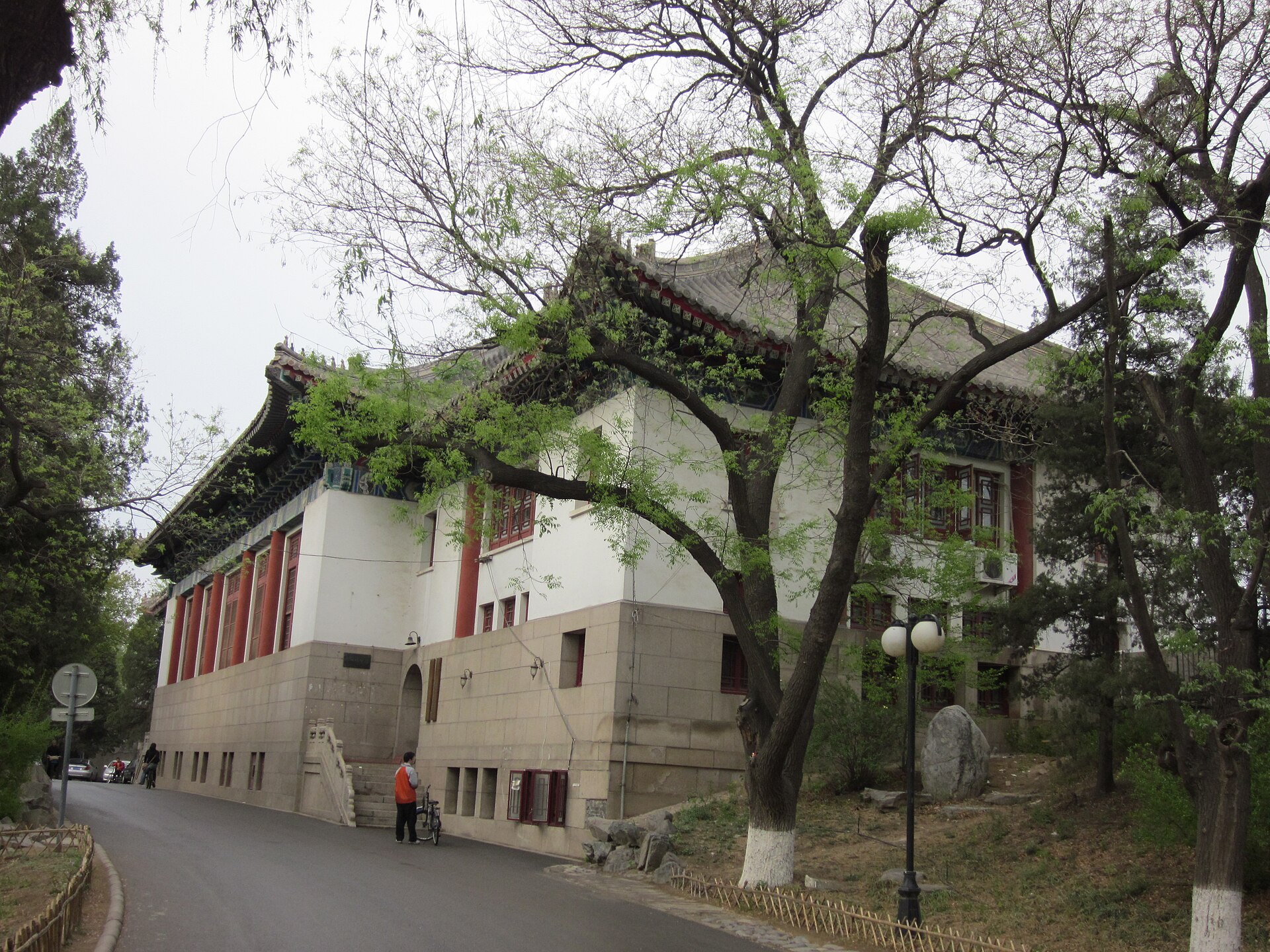
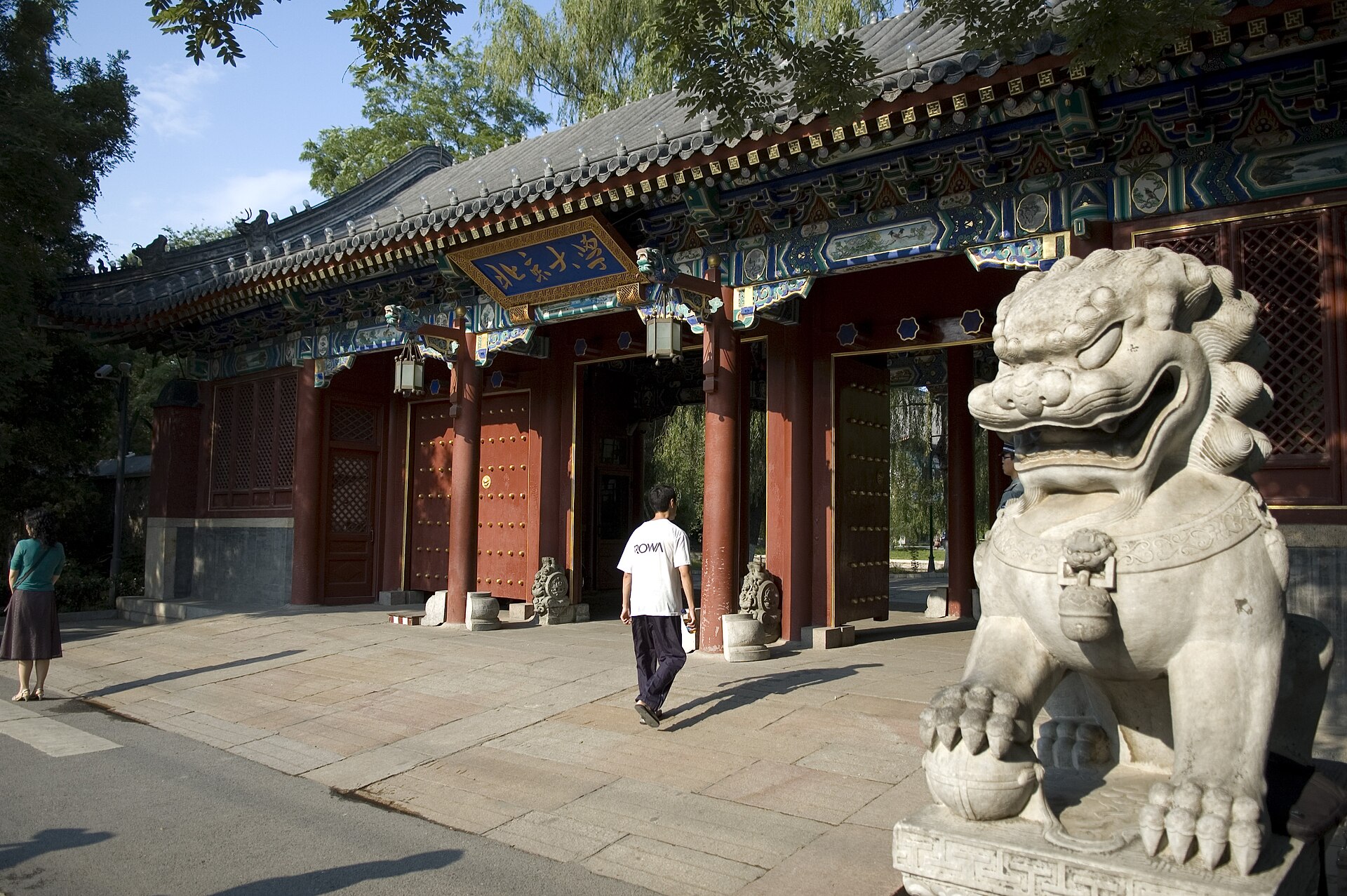
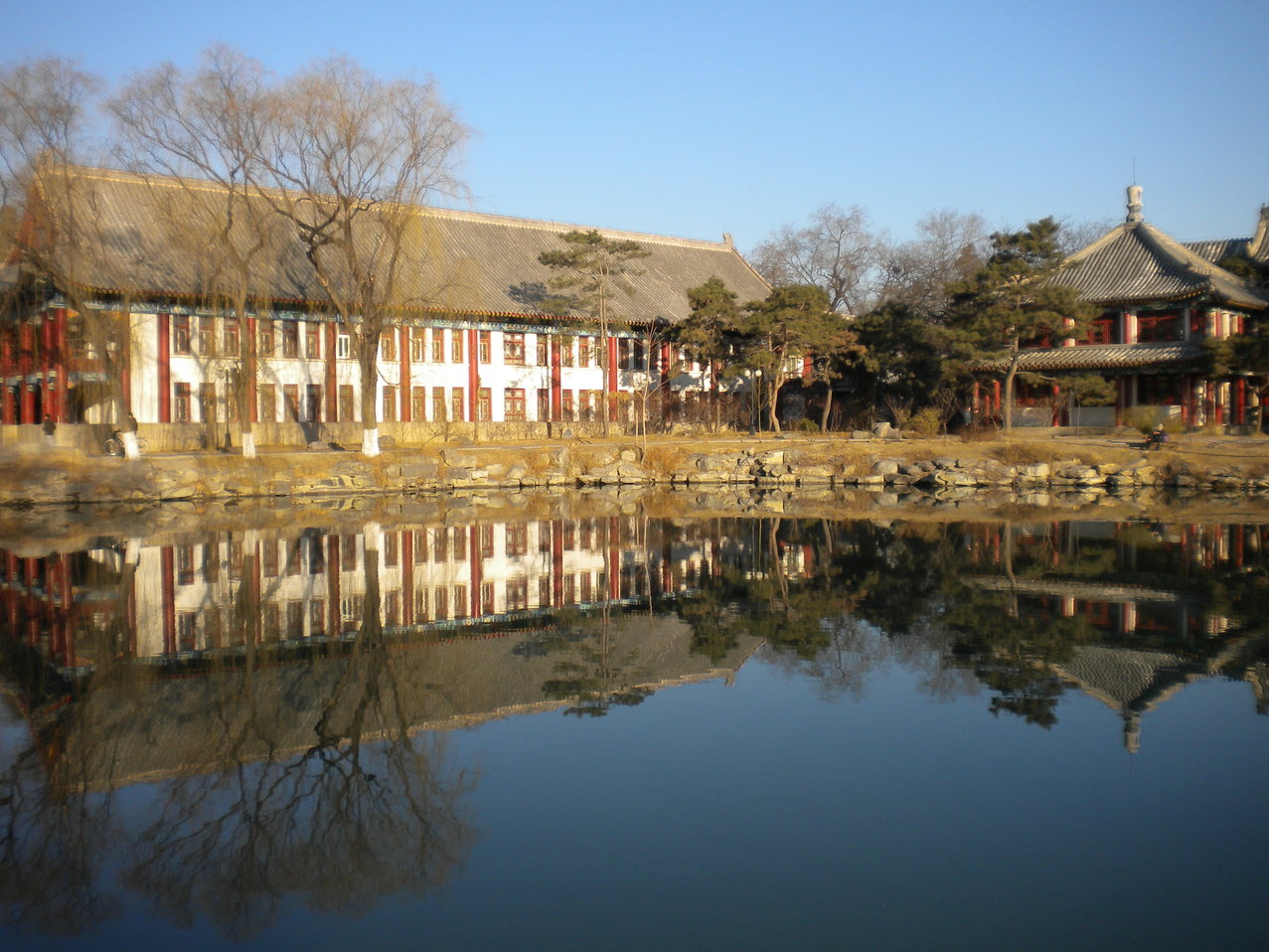
Peking University — campus in pictures
Real, freely-licensed photographs of the campus (via Wikimedia Commons).
Why Peking University — Prestige, Location & Access to China
Peking University (PKU) is not merely the top-ranked university in mainland China — it is the institution that has shaped China's intellectual and political leadership for over a century. Founded in 1898 as China's first modern national university, PKU sits at the intersection of China's past and its future. For an international student who wants to understand China from the inside — its science, its society, its economy, its culture — there is no better address.
PKU Acceptance Rate & International Applicant Profile
Stats
Profile Stats
Rea Vs Rd
PKU Admissions Requirements — Academic Record, Language & Profile
- Minimum 3.5 on a 4.0 scale; competitive admits typically exceed this
- IB competitive benchmark: 38 or above
- A-Level applicants: A*AA or above in relevant subjects
- Course rigour and subject match to programme matter significantly
- IELTS Academic minimum: 6.5 overall
- TOEFL iBT minimum: 90
- Duolingo accepted by some programmes (minimum 120)
- HSK 6 (180+) required for Chinese-taught undergraduate programmes
- IB: 38–45, with strong Higher Level scores
- A-Level: A*AA minimum in relevant subjects
- AP: 4–5 scores across five or more relevant examinations
- National board toppers from India, South Korea, Indonesia and other systems
PKU Application Components — Portal, Documents & Personal Statement
PKU's international application is conducted through its own online portal. Here is every component of a complete international application — required and programme-specific — with strategic notes for each.
PKU Application Statement — Writing the Study Plan & Research Plan
Tips
Prompts
What PKU Admissions Committees Are Looking For
PKU's international admissions uses a holistic but academically-weighted review process. Committees are composed of faculty from relevant departments. Understanding what each type of reviewer is looking for — and why — is the foundation of a strong application strategy.
PKU Financial Aid & Scholarships for International Students
Peking University does not operate the need-blind aid model of Harvard or MIT. However, the Chinese government, Beijing city government, and PKU itself fund substantial merit-based scholarship programmes that are genuinely accessible to qualified international students. At approximately USD 3,900 per year in tuition — even without scholarship support — PKU is one of the most affordable top-15 global universities in the world.
Tuition and cost figures are estimates based on available data. Scholarship coverage varies by programme and award type. Always verify current figures at isd.pku.edu.cn before applying.
Stats
Contribution Tiers
| Note | Range | Percent | Percent Value |
|---|---|---|---|
| Chinese Government Scholarship (CSC) — tuition, accommodation, stipend, insurance | Full Scholarship | 100% | 100 |
| Beijing Government Scholarship Type A — full or near-full coverage | Beijing Gov Scholarship A | 90% | 90 |
| PKU Institutional Scholarship — tuition + partial living support | PKU Scholarship | 70% | 70 |
| Beijing Government Scholarship Type B/C — partial coverage | Beijing Gov Scholarship B/C | 50% | 50 |
| Self-funded — tuition only; living on campus and eating at dining halls | Self-Funded | 0% | 0 |
Key Dates
Advantages
- Earlier submission gives more time for scholarship processing (CSC, Beijing Gov)
- Demonstrates genuine commitment for graduate applicants seeking supervisor contact
- Some programmes evaluate on a rolling basis — earlier is better
- More time to resolve documentation issues before the deadline
- Scholarship deadlines often precede academic deadlines — apply early to qualify
Disadvantages
- PKU does not offer Early Decision advantages the way US universities do — there is no binding commitment advantage
- Applying before HSK or IELTS/TOEFL results are finalised can weaken an application
- Graduate applicants who rush without a research plan are penalised in department review
- Scholarship applications often require separately timed documents and embassy coordination
PKU Interview — Format, Questions & Preparation
Interviews at PKU are conducted by individual departments rather than by a central admissions office. Not all programmes interview; some use them only for competitive shortlisted candidates. Graduate applicants — especially PhD candidates — should expect an interview with their potential supervisor. When an interview is conducted, it carries real weight in the department's final decision.
Meta
Questions
PKU Residential Life & International Housing
Peking University does not operate a Harvard-style house system with residential academic communities. Instead, international students live in dedicated international student housing — most notably the Zhongguanyuan Global Village — or in postgraduate dormitories depending on their programme level. On-campus housing is available for most international students, particularly in their first year.
Houses
Lottery Steps
- Applications for housing are submitted through the PKU International Students Division portal alongside the academic application
- Zhongguanyuan Global Village provides the most modern on-campus accommodation; rooms are allocated based on programme level and availability
- Undergraduate international students typically share facilities with other international students, creating a self-contained but internationally diverse community
- Graduate students have access to graduate dormitory blocks with more quiet study space
- Off-campus housing in Haidian District is popular among continuing students; costs are higher but offer more independence
PKU Schools, Faculties & Key Programmes
- {"label":"Key departments","value":"30+"}
- {"label":"Teaching language","value":"Chinese (primary)"}
- {"label":"Includes","value":"Physics, Chemistry, Biology, Mathematics, Philosophy, History, Chinese Literature"}
- {"label":"Research centres","value":"Dozens of state key labs"}
- {"label":"Key programmes","value":"BBA, MBA, Finance, Accounting"}
- {"label":"Asia ranking","value":"Top 5"}
- {"label":"Language","value":"Chinese (undergraduate); English/Chinese (MBA)"}
- {"label":"MBA GMAT","value":"Required for graduate entry"}
- {"label":"Key programme","value":"International Relations, Diplomacy"}
- {"label":"Taught in","value":"Chinese and English (varies by course)"}
- {"label":"Career paths","value":"Diplomacy, international organisations, policy"}
- {"label":"Research focus","value":"China's global role, IR theory, area studies"}
- {"label":"Programme","value":"Master's in China Studies (1 year)"}
- {"label":"Scholars per cohort","value":"~120"}
- {"label":"International students","value":"~80%"}
- {"label":"Funding","value":"Fully funded (tuition + accommodation + stipend + travel)"}
- {"label":"Key programmes","value":"Computer Science, Electronic Engineering, AI"}
- {"label":"Industry links","value":"Baidu, ByteDance, Tencent, Huawei"}
- {"label":"Research","value":"AI, machine learning, semiconductor research"}
- {"label":"Language","value":"Chinese (undergraduate); bilingual options at postgrad"}
- {"label":"Key programme","value":"Clinical Medicine (MBBS), Pharmacy, Public Health"}
- {"label":"Teaching hospital","value":"Peking University Hospitals (multiple)"}
- {"label":"MBBS language","value":"English-taught track available for internationals"}
- {"label":"Duration","value":"6 years (MBBS)"}
Research & Extracurricular Opportunities at PKU
Career Outcomes & PKU Alumni Network
A PKU degree carries extraordinary weight in China and increasing recognition in global markets focused on the Asia-Pacific. The university reports a 92% employment rate among graduates, with an average starting salary of approximately USD 25,000 — competitive within the Chinese market. For international graduates, a PKU credential opens doors that are simply unavailable from a Western institution.
Stats
Categories
Our PKU Admissions Track Record & Student Outcomes
Faqs
Do I need to speak Chinese to study at PKU?+
It depends on your programme. Most undergraduate programmes are taught in Chinese and require HSK 6 (180+ points). A growing number of master's and PhD programmes are taught in English — particularly in computer science, international relations, economics, and China studies. Always verify the language of instruction on the programme page before applying.
Is PKU's ~12% acceptance rate for all international applicants?+
The ~12% figure is an overall estimate for international applicants. Acceptance rates vary significantly by programme: the Yenching Academy, for example, is exceptionally competitive, while some language and humanities programmes may have more places. Research your specific programme's competitiveness rather than using the overall figure.
Can I apply to PKU as an IB student?+
Yes. PKU recognises the IB Diploma as an equivalent qualification for undergraduate admission. A score of 38 or above is the competitive benchmark. You will still need to meet language requirements and may need to sit PKU's entrance examination depending on your programme.
How does the Chinese Government Scholarship (CSC) work?+
The CSC scholarship can cover tuition, accommodation, living allowance, and medical insurance. PKU participates in both Type A (applied through PKU first, then the Chinese embassy) and Type B tracks. The process typically begins 6–8 months before the programme start date. Check current cycle deadlines at the PKU ISD and your country's Chinese embassy.
Is there an entrance exam for undergraduate applicants?+
Some undergraduate programmes require PKU's own entrance exam covering Chinese, English, and Mathematics. Graduate programmes may require GRE, GMAT, or departmental exams. Check your specific programme requirements on the ISD website — not all programmes have exam requirements.
What is the Yenching Academy?+
The Yenching Academy is a prestigious postgraduate college at PKU offering a fully funded master's in China Studies. Approximately 120 scholars are admitted annually, with about 80% being international students. The programme covers tuition, accommodation, travel, and a monthly stipend. The application deadline is typically December 1 for partner university nominees.
Can I get a part-time job while studying at PKU?+
Chinese regulations restrict international students on student visas from working off-campus. On-campus opportunities (research assistant, language tutoring, teaching assistant roles) may be available with departmental approval. Always check current visa regulations — these are enforced seriously.
Is Beijing liveable for international students?+
Beijing is generally safe and offers extraordinary cultural richness. The main adjustment challenges are air quality (significant in winter), the language barrier outside the international student community, and internet access — many Western apps and sites are blocked by China's Great Firewall, and a VPN is commonly used. Most international students adapt quickly and find the experience transformative.
Book a Free PKU Admissions Strategy Session
In 60 minutes our PKU admissions specialists will evaluate your academic profile, identify your application strengths and gaps, assess your language readiness, develop your study plan strategy, and map out your scholarship options — including the CSC and Yenching Academy pathways.
- No commitment required
- PKU and China admissions specialists
- Personalised strategy — not generic advice
PKU Academic Requirements
PKU Academic Requirements — The Honest Breakdown for International Students
What GPA, language scores, and academic qualifications do competitive PKU international applicants actually need — and how does PKU's holistic but academically weighted review process work for students from IB, A-Level, and other international curricula?
GPA & Academic Standing
PKU and GPA — What the Requirements Actually Mean
The honest picture: PKU sets a minimum GPA of 3.5 on a 4.0 scale. In practice, competitive international admits significantly exceed this floor — especially for the most selective programmes and scholarship tracks.
A 3.5 GPA is the minimum to be considered, not a distinguishing feature. The most competitive PKU international admits combine strong grades with demanding course choices, strong language scores, and a clear research or academic purpose.
Academic Context
How PKU Reads International Academic Records
PKU does not formally rank applicants from different school systems against each other. Instead, committees in each department evaluate academic records in the context of the applicant's specific system, school, and curriculum.
SAT (Optional)
SAT at PKU — Optional Supporting Evidence, Not a Requirement
PKU does not publish SAT score ranges for admitted international students and does not require the SAT. If you have strong SAT scores from a US-curriculum background, they can serve as supporting evidence.
| Label | Score | Percent |
|---|---|---|
| SAT — required? | No | 0 |
| Recommended threshold if submitting | 1450+ | 70 |
ACT (Not Applicable)
ACT at PKU — Not Required, Not Expected
PKU does not require the ACT and does not publish ACT score ranges. The ACT is not a standard part of PKU's international admissions process.
Metrics
Comparison Cards
Test Policy
PKU Test Policy — What Is Optional, What Is Not
PKU's official test policy for SAT and ACT is classified as optional for international applicants. Understanding what 'optional' means at a Chinese research university — and what is emphatically not optional — is important for every PKU candidate.
Submit Items
Withhold Items
International Qualifications
A-Levels and IB at PKU — Specific Benchmarks
- {"label":"Competitive range","value":"38–45 points"}
- {"label":"HL expectations","value":"Strong scores in subjects directly relevant to target programme"}
- {"label":"Subject rigour","value":"HL Mathematics (Analysis & Approaches preferred for STEM/Economics)"}
- {"label":"Extended Essay","value":"A or B grade in a relevant subject adds value"}
- {"label":"Competitive range","value":"A*AA – A*A*A"}
- {"label":"Subject relevance","value":"Subjects should align closely with your intended PKU programme"}
- {"label":"Predicted grades","value":"Reviewed alongside any available AS or mock results"}
Advanced Placement
AP Examinations at PKU — Supporting Context for US-Curriculum Students
For students from US-curriculum international schools that offer AP examinations, AP scores can provide supporting academic evidence alongside the transcript. PKU does not have a formal AP credit policy but reads AP scores as signals of academic performance in specific subjects.
Academic Rigour
Course Rigour — PKU's Most Important Academic Signal
PKU's selection committees consistently note that the choice of courses at secondary level — not just grades — signals academic seriousness. A student who selected demanding subjects in areas relevant to their intended programme is a meaningfully stronger candidate than one who optimised for GPA in easier options.
Choosing the most demanding available courses in subjects directly relevant to your target PKU programme — and performing well in them.
Subject Preparation
Academic Preparation by Field — What PKU Expects
PKU has specific subject preparation expectations for its most competitive international-student programmes. While formal prerequisites vary by department, the following subject preparation signals are consistently valued by PKU's selection committees.
Language Requirements
Language Requirements at PKU — IELTS, TOEFL, HSK, and Duolingo
Language requirements at PKU divide into two clear categories: requirements for English-taught programmes and requirements for Chinese-taught programmes. Both are mandatory and non-negotiable.
For English-taught programmes, the IELTS or TOEFL score is the language test — but your study plan is also evaluated for English quality. A strong language test score combined with poorly written English in the personal statement creates a contradiction that committees notice. Write your study plan in the clearest, most precise English you can produce.
By Programme
Academic Requirements by Programme — What Different Paths Expect
PKU students are admitted to specific programmes and schools, not to a general undergraduate college. Subject preparation should align directly with the programme you are applying to. The table below outlines expected academic signals for the most popular international-student programmes.
| Signals | Expectation | Concentration |
|---|---|---|
| Quantitative competitions; research interest in Chinese economy or global finance | HL Maths AA / A-Level Maths + Further Maths; strong Economics | Economics (Guanghua) |
| Coding projects; algorithmic competitions; AI/ML interest | HL Maths + strong computing background | Computer Science / AI |
| Physics olympiad; lab research experience; strong quantitative record | HL Maths + HL Physics or A-Level equivalents at A* | Physics |
| Lab research; science fair; HL Biology + Chemistry combination | HL Sciences 6–7; relevant research or fieldwork | Life Sciences / Biology |
| MUN; government policy interest; prior China engagement; geopolitics writing | Strong humanities record; IELTS/TOEFL well above minimum | International Relations |
| HSK 6 (190+); classical Chinese exposure; literature analysis | Near-native Chinese; strong literary analysis in personal statement | Chinese Language & Literature |
| MCAT-level sciences; clinical exposure; prior medical coursework | HL Biology + HL Chemistry (7s) or A-Level equivalents at A* | Clinical Medicine (MBBS) |
| China Studies focus; interdisciplinary research; exceptional academic record | Top academic performance; compelling research proposal | Yenching Academy (China Studies MA) |
International Education Systems
How PKU Evaluates International Qualifications — System by System
Year-by-Year Roadmap
Building an Academic Profile for PKU — What to Do at Each Stage
- Choose a curriculum that prepares you rigorously: IB, A-Level, or the most demanding version of your national system.
- If you plan to apply to Chinese-taught programmes, begin Chinese language study now — HSK 6 takes 3–5 years of dedicated study from scratch.
- Identify genuine academic interests beyond the classroom through independent reading, online courses, or preliminary research engagement.
- For science and STEM fields, engage with competitions (national Olympiads, science fairs) early.
- For IB students: select Higher Level subjects that align with your intended PKU programme — do not optimise for grades over rigour.
- Sit IELTS or TOEFL for an early diagnostic. If targeting a Chinese programme, sit HSK 5 this year.
- Begin research into PKU's specific faculty, courses, and research centres in your field. This research will be essential for your study plan.
- Pursue an independent research project, extended essay, or structured academic engagement — this evidence matters to PKU's committees.
- Complete IELTS or TOEFL. Aim for IELTS 7.0+ or TOEFL 100+ to have a buffer above the minimum.
- If targeting a Chinese programme, sit HSK 6 this year.
- Contact potential supervisors for graduate programmes with a professional email describing your research interests.
- Research and identify scholarship programmes (CSC, Beijing Government, PKU institutional) — note their separate deadlines.
- Submit your application through StudyatPKU well before the deadline — not on the day.
- Coordinate scholarship applications with your home country's Chinese embassy if applying for the CSC.
- Request recommendation letters from teachers who know your academic work, with at least 4 weeks' notice.
- Draft, review, and revise your study plan multiple times — this is the most important document in your application.
Common Pitfalls
Academic Mistakes That Cost PKU Applications — And How to Avoid Them
Real Outcomes
What Academic Profiles Tychr's PKU-Admitted Students Had
The following profiles represent the academic backgrounds of students Tychr has helped gain admission to Peking University or equivalent outcomes. They illustrate the range of academic preparation that works — and what made each application compelling to PKU's committees.
Faqs
Is a 3.5 GPA enough for PKU?+
A 3.5 GPA meets the minimum threshold. The question is whether your overall profile — language scores, study plan quality, course rigour — is competitive for your specific programme. In most top PKU programmes, successful international applicants significantly exceed the 3.5 minimum.
What IB score do I need for PKU?+
For most competitive PKU programmes among international students, an IB score of 38 or above is the benchmark. Scores of 40–45 with strong HL results in relevant subjects are typical among successful applicants to the most selective programmes (EECS, Clinical Medicine, Economics).
Does PKU's test-optional policy apply to IELTS and TOEFL?+
No — IELTS and TOEFL are different categories from SAT/ACT. Standardised tests (SAT/ACT) are optional at PKU. Language proficiency tests (IELTS minimum 6.5, TOEFL minimum 90) are required for English-taught programmes and cannot be waived.
Does PKU recognise A-Levels?+
Yes, PKU is very familiar with A-Levels. A*AA or above in three relevant subjects is the expected standard. Include your UCAS predicted grades or achieved results. Strong GCSE/IGCSE performance alongside predicted A-Level grades provides useful supporting context.
Should I contact a PKU professor before applying?+
Yes. For graduate applications especially, contacting potential supervisors before submitting is strongly recommended — and sometimes expected. A faculty member who is aware of your application and has expressed interest in your research is a significant advantage. Send a professional email with your CV and a concise description of your proposed research.
Cost & Scholarships
A Top-15 Global Degree for a Fraction of the Western Price — Here's the Full Picture.
At approximately USD 3,900 per year in tuition and USD 9,000 in total cost of attendance, Peking University is one of the most extraordinary value propositions in global higher education. Add the Chinese Government Scholarship and PKU's own awards — and the real cost can be zero.
Cost Transparency
What PKU Actually Costs — The Full Annual Figure
Figures are estimates. Costs vary by programme level, lifestyle, and exchange rates. Always confirm current tuition and fees at isd.pku.edu.cn.
PKU's tuition is fixed by the Chinese government at a subsidised rate for all students, domestic and international. The total cost of attendance — tuition plus living — of approximately USD 9,000 per year is less than one semester of tuition at most US or UK universities. For families comparing the global cost of elite university education, this figure is genuinely remarkable.
Financial Support
PKU's Aid Model — Government, City, and University Scholarships
PKU does not operate a need-blind aid model. All funding is primarily merit-based — awarded based on academic performance, research potential, and (in the case of the CSC) the strategic priorities of the Chinese government's international education programme. For strong candidates, the scholarship ecosystem is genuinely generous.
Why PKU Is Affordable
Why a PKU Education Can Be So Affordable — The Policy Context
Scholarship Application Process
Applying for PKU Financial Support — Step by Step
PKU scholarships are not automatic for most applicants — they require a deliberate, well-timed parallel application process alongside the academic admission application. Here is the complete step-by-step guide.
- Visit isd.pku.edu.cn/en/scholarship.php to review all available scholarships
- Check eligibility criteria: some scholarships are nationality-specific, others are open globally
- Note separate deadlines — scholarship deadlines often precede academic application deadlines
- Create an account at studyatpku.com
- Complete all required fields: transcripts, personal statement, language scores, recommendations, passport
- Submit and obtain your PKU application reference number
- Contact your home country's Chinese embassy to request the current-year CSC application package
- The CSC application runs in parallel with your PKU academic application
- Submit the CSC application package to the embassy by their stated deadline
- {"date":"Varies by country","label":"CSC — check Chinese embassy in your home country"}
- {"date":"Approx. Feb–Mar","label":"Typical CSC Type A embassy deadline (many countries)"}
- Beijing Government Scholarship: applied through PKU's portal during the admissions process
- PKU Institutional Scholarship (undergraduate): automatic consideration at admission — no separate application
- PKU Institutional Scholarship (graduate): applied through the StudyatPKU portal
- Maintain academic performance and language test scores through the review period
- Scholarship committees review applications separately from academic admissions committees
- Undergraduate merit scholarships are typically notified alongside admission offers
International Student Aid
Financial Support for International Students at PKU — How It Works
PKU's financial support model for international students is fundamentally different from US need-based aid. Understanding the three-tier system — government, city, university — and which track is right for your situation is essential planning.
Scholarship Coverage
What PKU Scholarships Actually Cover — By Award Type
PKU Aid by Scholarship Track (Approximate Annual Costs)
Figures are estimates. Stipend amounts, coverage details, and exchange rates change annually. Confirm current-cycle award amounts at isd.pku.edu.cn and the China Scholarship Council website.
A CSC or Beijing Government Type A scholarship recipient pays approximately nothing to study at one of the world's top-15 universities. Even self-funded PKU students pay less than the cost of one semester at a US Ivy League institution.
| Grant | Income | Contribution |
|---|---|---|
| Full tuition + accommodation + RMB 2,500–3,500/month stipend + insurance | CSC Full Scholarship | ~$0 |
| Full tuition + accommodation + monthly allowance + insurance | Beijing Gov Scholarship Type A | ~$0–$500 |
| Full tuition waiver + partial accommodation or stipend | PKU Institutional Scholarship (full) | ~$500–$2,000 (living) |
| Partial tuition waiver (30–70%) | Beijing Gov Scholarship Type B/C | ~$2,000–$4,000 |
| No scholarship | Self-funded | ~$9,000/year |
Table Headers
Merit vs. Need
PKU Scholarships — Who Qualifies and What Exists
PKU does not operate a need-based aid system in the Harvard sense. All PKU scholarship funding is primarily merit-based — awarded to academically strong candidates, not calculated against family financial need. However, the CSC scholarship programme does consider country of origin and some tracks have socioeconomic components.
External Funding
External Scholarships — Additional Funding for PKU Students
Beyond PKU's own three-tier scholarship system and the CSC, a number of external scholarship and fellowship programmes support international students studying at elite Chinese universities including PKU.
Loan & Debt Policy
Loans at PKU — What Exists and What Doesn't
PKU does not operate a student loan programme for international students. All financial support is in the form of scholarship grants. Self-funded international students pay tuition and living costs directly — there is no PKU-administered loan facility.
Student Employment
Working During Your Studies at PKU — What Is and Isn't Possible
Chinese immigration regulations restrict international students on student visas from engaging in off-campus employment. On-campus work opportunities exist in certain formats — primarily academic and research assistant roles — but are not a formal financial aid component in the way US work-study programmes are.
- Research assistant roles in faculty laboratories (available through departmental application; provides academic experience alongside modest stipend)
- Teaching assistant roles for Chinese language and cultural courses (available to students with high Chinese proficiency)
- International student ambassador roles for the ISD (limited positions)
- Academic tutoring for other students within the university community
Benchmarking
PKU vs. Global Peers — Financial Aid and True Cost Comparison
| Policy | School | No Loans | Typical Cost |
|---|---|---|---|
| Merit-based government + university scholarships | Peking University | N/A (no institutional loans) | ~$0 (CSC) or ~$9,000 (self-funded) |
| Need-blind, full-need, no loans | Harvard University | Yes | $0–$5,000 (qualifying families) |
| Need-aware, merit + need scholarships | NUS Singapore | Tuition Grant (service bond) | ~$8,000–$14,000 with grant |
| Need-aware for internationals | Imperial College London | Loans common | ~$35,000–$40,000/year |
| Limited international aid | UC Berkeley (out-of-state) | Loans common | ~$65,000–$75,000/year |
| Top-up grants + tuition | University of Melbourne | Loans common | ~$35,000–$45,000/year |
True Cost Analysis
PKU vs. Global Alternatives — What You Actually Pay Over Four Years
A self-funded international student who does not receive any scholarship pays approximately USD 36,000 for a four-year PKU degree — less than one year of tuition at most Western elite universities. A CSC scholarship recipient pays nothing. The real cost of PKU is far below its prestige tier would suggest.
| Policy | School | Contribution | Four Year Cost |
|---|---|---|---|
| Merit scholarships — CSC full funding available | Peking University (CSC scholar) | ~$0/year | ~$0 |
| Self-funded — low tuition + living | Peking University (self-funded) | ~$9,000/year | ~$36,000 |
| Need-blind, full-need, no loans | Harvard (qualifying family) | ~$0–$5,000/year | ~$0–$20,000 |
| Need-aware, international aid limited | Oxford University | ~$35,000–$42,000/year | ~$140,000–$168,000 |
| Limited international aid | UCLA (international) | ~$65,000–$75,000/year | ~$260,000–$300,000 |
| Limited international aid | University of Toronto | ~$35,000–$45,000/year | ~$140,000–$180,000 |
Scholarship Appeals
Scholarship Reconsideration at PKU — When and How
PKU does not operate a financial aid appeal process in the US/Harvard sense — there is no CSS Profile calculation to appeal. For scholarship appeals, the relevant procedures depend on which scholarship programme issued the original decision.
PKU scholarship decisions are made by committees using published criteria. Appeal success rates are low unless new significant information — changed circumstances, an administrative error, or a new scholarship category — has emerged since the original decision. The most effective strategy is to apply for all eligible scholarships concurrently rather than appealing a rejected one.
How To Appeal
- Contact the PKU International Students Division directly at isd.pku.edu.cn for guidance on reconsideration procedures
- Provide any new significant information or documentation that was not available at the time of the original application
- For CSC-related appeals, contact the Chinese embassy in your home country that processed the application
When To Appeal
- A significant change in circumstances occurred after the application was submitted
- An administrative error in the original application process is suspected
- New academic evidence (final grades, language test improvements) became available after the deadline
- You are applying in a subsequent cycle after strengthening your profile
Timeline & Planning
Planning for PKU Costs — What to Do and When
Application Documents
PKU Application Statements — Everything You Need to Write Them Well. Write Them Well.
Unlike US universities that run a multi-essay Common Application process, Peking University uses a Chinese public institution's direct application system. The personal statement — called a study plan for undergraduates, or a research plan for graduate applicants — is your primary narrative document. Because everything else in your application is records and scores, this document carries disproportionate weight. This guide covers exactly what PKU expects, how to write it, and the most common mistakes international students make.
PKU does not use Common App, UCAS, or Coalition. All applications go through the StudyatPKU portal (studyatpku.com). There are no US-style supplemental essays, short-answer prompts, or activities list essays. The study plan is the only extended written component you submit.
Application System
How the PKU Application Works — Written Components
PKU's international admissions use a direct portal application through StudyatPKU. The written components are: (1) a personal statement / study plan for undergraduates; (2) a research plan for graduate applicants. Both follow PKU's official template with specified format and word count, downloadable from the application portal.
What to Address
What Your Statement Must Cover
PKU does not publish a single verbatim essay prompt in the style of the Common App. Instead, the study plan should substantively address the following core areas. Use PKU's official application template (available on StudyatPKU) for the correct format and word count — requirements are updated each cycle.
Verify the current-cycle template and word count at studyatpku.com before writing. Format compliance is evaluated and non-compliance raises red flags.
Writing Strategy
How to Write a PKU Study Plan That Stands Out
The PKU study plan is evaluated by academic departments, not a general admissions office. The readers are professors and researchers in your field. Write for them: be substantive, intellectually serious, and specific.
The most common mistake international students make is writing a Western-style personal essay — storytelling, emotional arc, personal reflection — for a Chinese university that expects a structured academic document. PKU's study plan is closer to an academic cover letter or grant proposal introduction than a Common App personal statement. Open with clear purpose. Use structured paragraphs with identifiable sections. Close with a credible, specific forward-looking statement of your goals.
Graduate Applicants
The Research Plan — Essential for Master's & PhD Applicants
Graduate applicants to PKU must submit a research plan in addition to the personal statement. The research plan is a critical document — it is read closely by potential supervisors in your department. A vague, generic, or poorly structured research plan is one of the primary reasons otherwise strong graduate applications are rejected at PKU.
Topic Selection
Choosing What to Write About in Your PKU Statement
The study plan is not a place for generic life stories, motivational clichés, or prestige-chasing justifications. PKU's admissions committees — made up of active researchers — respond to intellectual seriousness and a credible China connection. Here is how to identify the right focus for your statement.
Common Pitfalls
Application Statement Mistakes to Avoid at PKU
- Writing a US Common App-style narrative personal essay with an emotional hook and story arc — PKU's admissions committees expect a structured academic document, not a personal reflection piece. The format mismatch signals that the applicant has not researched PKU's application system.
- Using generic praise ('PKU is ranked #14 in the world and has excellent facilities') without specific, named elements of PKU's programme, faculty, or research environment that connect to your goals. Committees read the same generic praise from hundreds of applicants.
- Failing to mention China at all, or only mentioning it superficially — the committee needs to believe you have a genuine, credible, and sustained reason to study in China, not just at a top university that happens to be located there.
- Submitting a graduate research plan that is too broad — 'I want to study sustainable development in China' is not a research plan. A research plan requires a specific question, an identified gap in the literature, and a methodological approach.
- Not following PKU's official statement template and word count — available on the StudyatPKU portal. Non-compliance with format requirements is a red flag that signals the applicant cannot follow basic instructions.
- Writing in poorly translated or awkward Chinese for Chinese-programme applications — a clear, accurate English statement is better than an awkward translated one for English-taught programmes. For Chinese-medium programmes, the Chinese must be native-quality or close to it.
- Padding the statement with irrelevant biographical information or family stories — admissions committees are researchers. They want intellectual substance and academic purpose, not a life narrative.
- Not addressing China engagement at all — even for English-taught programmes, the committee expects some explanation of why China and PKU specifically, rather than a Western institution with a similar specialisation.
Essay & Statement FAQ
Frequently Asked Questions — PKU Application Statements
How long should the PKU personal statement be?+
PKU specifies word counts and format requirements in its official application templates, downloadable from the StudyatPKU portal. These may vary by programme and are updated each academic cycle. Follow the template exactly — do not exceed or fall significantly short of the specified length. The current templates are authoritative; do not rely on information from previous years.
Should I write in Chinese or English?+
Write in the language of instruction for your target programme. For English-taught programmes, write in English. For Chinese-taught programmes, write in Chinese (and ensure it is native or near-native quality). Some templates may provide dual-language fields — follow the current template specification from StudyatPKU.
Can I contact potential supervisors before applying?+
Yes — for graduate applications especially, contacting potential PhD or master's supervisors in advance is strongly recommended and sometimes expected at Chinese universities. A faculty member who is aware of your application and has expressed interest in your research significantly strengthens your candidacy. Send a professional email with your CV and a concise, specific description of your proposed research interests.
Is there a separate motivation letter for scholarships?+
Yes. Scholarship applications (CSC, Beijing Government, PKU institutional) typically require a separate motivation letter tailored to that scholarship programme. This is distinct from your academic programme personal statement, though the themes overlap. Write both carefully and with purpose — do not simply copy one from the other.
Does PKU have essay prompts like US universities?+
No. PKU does not use the Common App, UCAS, or any US-style multi-prompt supplemental essay system. The personal statement is a single document structured according to PKU's template. There are no short-answer supplements, activity list essays, 'Why PKU?' prompts, or diversity essays in the US sense.
What if I am applying to the Yenching Academy — is the application different?+
Yes. The Yenching Academy has its own separate application portal and process, distinct from PKU's main International Students Division application. It has its own essays, recommendations, and timeline. If you are interested in the Yenching Academy, visit yenchingacademy.pku.edu.cn for current requirements — do not apply through the main ISD portal for this programme.
How much of the admissions decision is based on the study plan vs. academic records?+
PKU does not publish a formal weighting formula. In practice, for undergraduate applicants, academic records and language test scores are the primary selection criteria, with the study plan providing important supporting context. For graduate applicants — especially PhD candidates — the research plan carries significantly more weight because it is reviewed by potential supervisors who are making a substantive research judgment, not just an academic one.
Can a strong study plan overcome a borderline academic record?+
To some degree, yes — particularly at the graduate level. A PhD applicant whose research plan is directly aligned with a PKU faculty member's active research agenda, and who has made prior contact with that faculty member, can sometimes secure admission despite a slightly below-benchmark academic profile. This is less applicable at the undergraduate level, where academic and language scores are more determinative.
Courses — schools, degrees & intake
48 degrees across 8 groupings.
Faculty of Sciences · 11 degrees
Mathematics
Physics
Chemistry
Life Sciences
Environmental Science
Geography Science
Urban Planning
Geology
Planetary Science
Space Science and Technology
Psychology
Faculty of Information Science and Technology · 7 degrees
Computer Science and Technology
Intelligence Science and Technology
Software Engineering
Electronic Information Science and Technology
Electronic Information Engineering
Microelectronics Sciences and Engineering
Integrated Circuit Design and Integrated System
Faculty of Engineering · 7 degrees
Theoretical and Applied Mechanics
Environmental Engineering
Energy and Resources Engineering
Aerospace Engineering
Biomedical Engineering
Materials Science and Engineering
Robot Engineering
Faculty of Humanities · 5 degrees
Chinese Language and Literature
History
Archaeology and Museology
Philosophy
Arts
Faculty of Social Sciences · 6 degrees
Law
Political Science and Public Administration
Journalism and Communication
International Politics
Sociology
Information Management and Information System
Faculty of Economics and Management · 2 degrees
Economics
Business Administration
Health Science Center · 5 degrees
Clinical Medicine
Pharmaceutical Sciences
Nursing
Public Health
Stomatology
Yuanpei College (Interdisciplinary) · 5 degrees
Politics, Economics and Philosophy
Data Science and Big Data Technology
Integrated Science
Foreign Languages and History
General Artificial Intelligence
Want your real chances at Peking University?
Create a free TYCHR account for your personalised admit-chance, a shortlist you can track, exact entry requirements, and essay + counselling help.